These training workshops aim to build systematic, foundational and practical expertise in stable and radiogenic isotope analysis.
Providing systematic training and development based on individual needs-based research training plans.
Theoretical training of existing staff and students within the Archaeological Science Group.
The training workshops covered a plethora of topics: ranging from fundamental statistics for isotope analysis, radiogenic isotopes from geology to archaeometry, an introduction to the use of the GIS software for mapping archaeological datasets.
The principles and applications of C, N, O and H stable isotopes in (Paleo)ecological and archaeological studies were also explored.
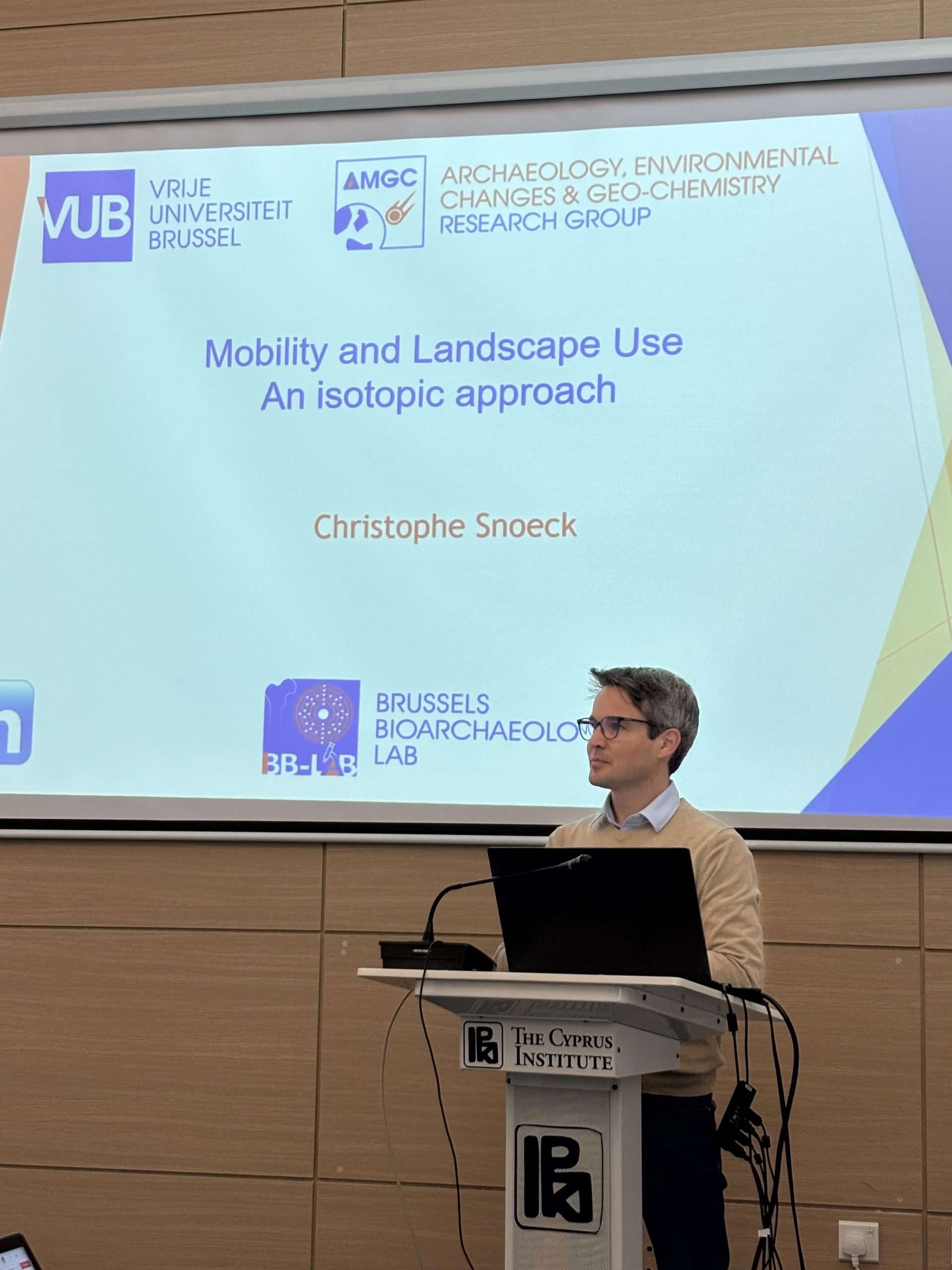
Mobility and Landscape Use – an Isotopic Approach
Tuesday, 17 & Wednesday, 18 February, 2026
Speaker: Prof. Christophe Snoeck, Research Professor, Vrije Universiteit & Head, Brussels Bioarchaeology Lab, Brussels, Belgium
This class introduced the use of isotopic methods to investigate human and animal mobility and landscape use in archaeology, with a focus on strontium isotopes. This class included theoretical basis of isotopic provenancing, sampling strategies, and data interpretation, as well as the challenges and limitations of the approach.
A large section was dedicated to the study of cremated bone and the challenges they pose when using isotope analyses.
Finally, the course included an overview of how strontium baselines are created, and discussed case studies from different archaeological contexts.
Learn more about Professor Snoeck by visiting his profile here.
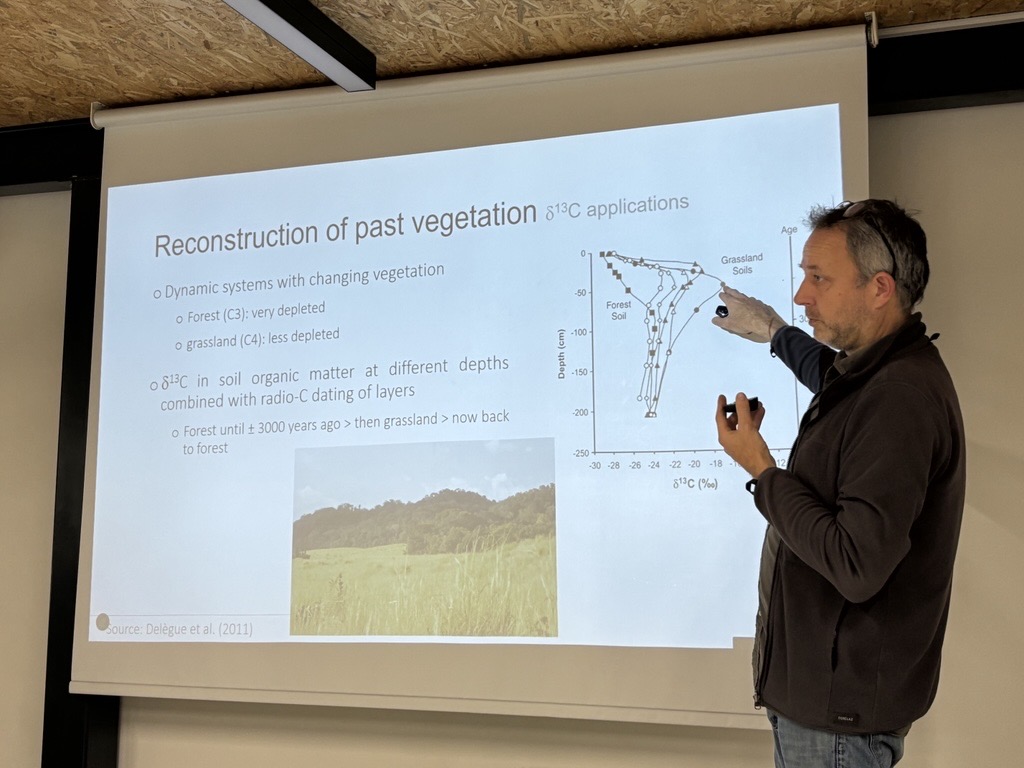
The Principles and Applications of C, N, O and H Stable Isotopes in (Paleo)ecological and Archaeological Studies
Thursday, 27 & Friday 28 November, 2025
Speaker: Professor Steven Bouillon, Department of Earth & Environmental Sciences, KU Leuven, Belgium
This workshop covered the basics underlying the use of stable isotope ratios of light elements (in particular C, N, O, and H) in ecological and archaeological studies. This included the principles of isotope fractionation during photosynthesis and in food webs, fractionation in the hydrological cycle, and isotope fractionation during carbonate precipitation. We discussed why a solid understanding of these principles—and the caveats that come with them—is essential for interpreting stable isotope data from environmental samples, whether from modern ecosystems and organisms or from the past.
Learn more about Professor Bouillon by visiting his profile here.
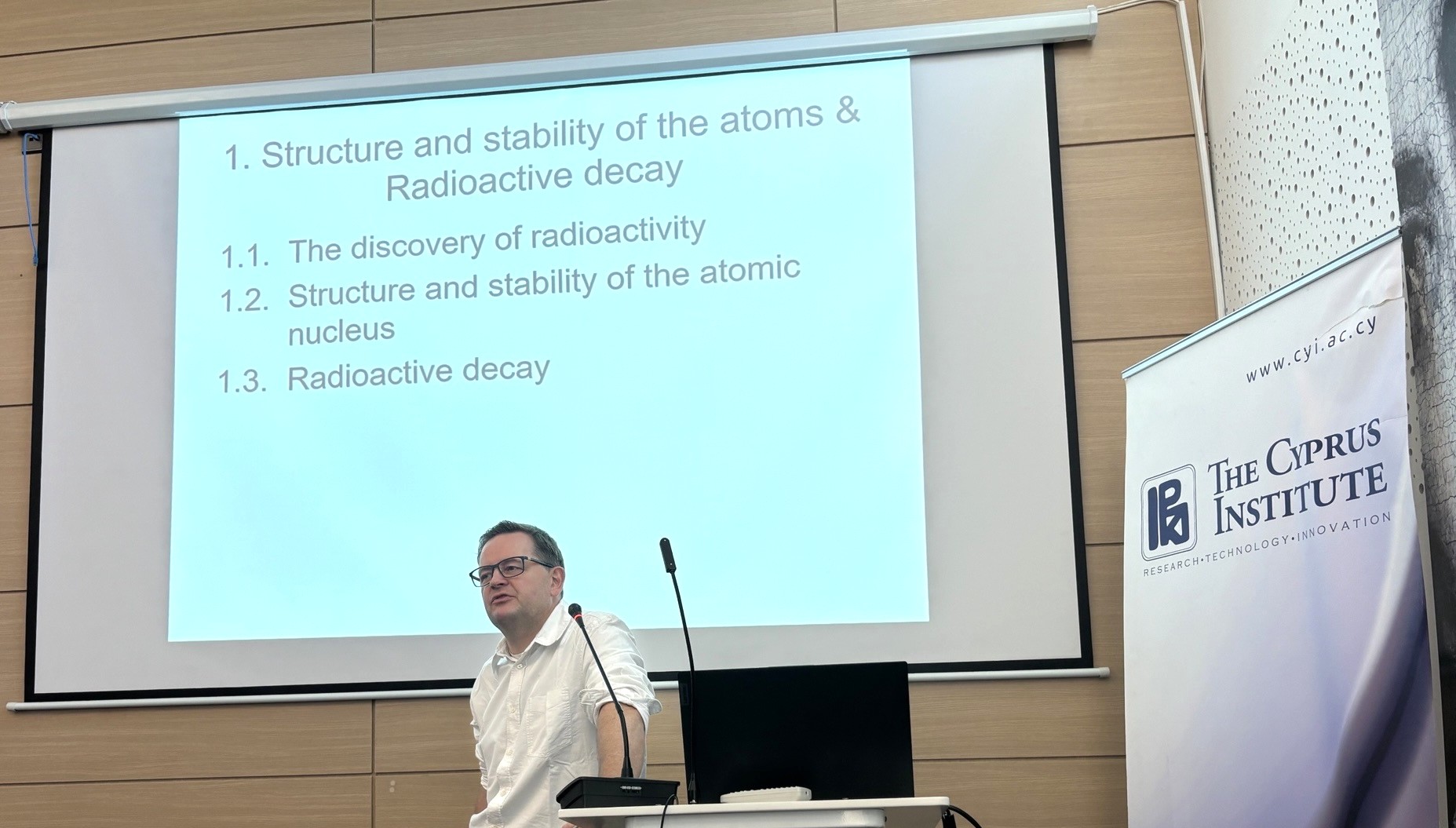
Radiogenic Isotopes: from Geology to Archaeometry
Monday 13th and Tuesday 14th, October, 2025
Speaker: Professor Patrick Degryse, full professor at the department of Earth and Environmental Sciences of KU Leuven (Belgium) and ERA Chair at the Cyprus Institute (Cyprus)
Professor Patrick Degryse delivered an intensive training workshop on radiogenic isotopes. The workshop explored what radioactive decay is and how it affects the isotopic composition of the elements strontium (Sr), neodymium (Nd) and lead (Pb).
This short course explained how isotope ratio analysis of these elements is used as a dating tool in the earth sciences, and how this has become relevant for the investigation of archaeological research questions of provenance and mobility. The principles behind the science were shown in practice, calculating dates and reconstructing mixing lines, to then move to archaeological applications of raw materials sourcing.
Learn more about Professor Degryse by visiting his profile here.
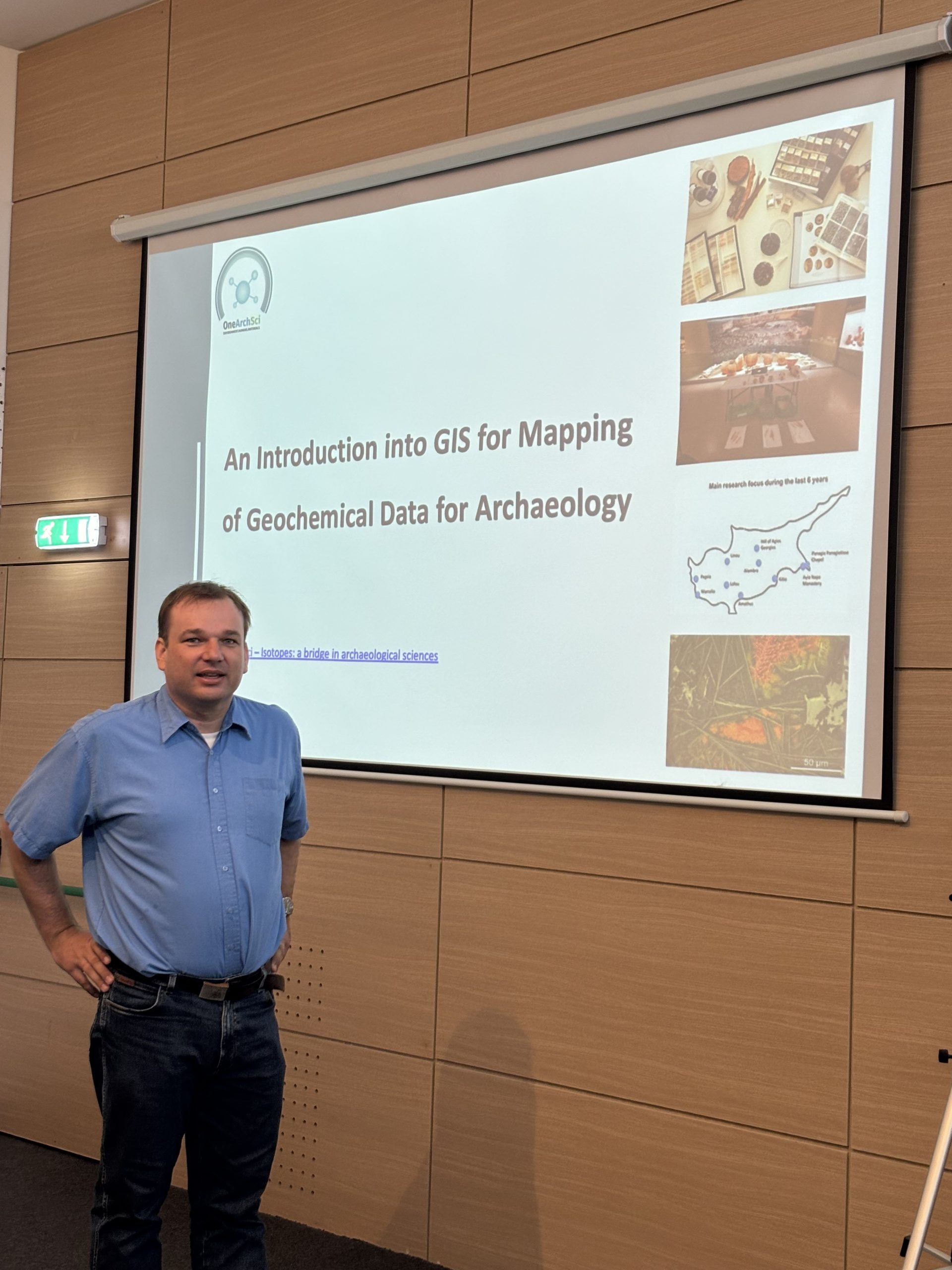
An Introduction into GIS for Mapping of Geochemical Data for Archaeology
Tuesday, 30 September 2025
Speaker: Mr. Frank Stremke, Archaeologist and documentation expert, Germany
The workshop effectively showcased the use of the open-source GIS platform QGIS for mapping archaeologically relevant datasets, such as bioavailable strontium isotope ratios from plants and animals. Using geochemical data with geographical coordinates from an area in Cyprus as a case study, participants were guided step-by-step from working with raw data to creating a finished map.
The session highlighted the freely available QGIS tools and demonstrated how they can be applied to visualize and analyze a wide range of archaeological information. A list of online software tools and data sources was also shared with participants, and their questions were addressed throughout the session.
Learn more about Mr Stremke by visiting his profile here.
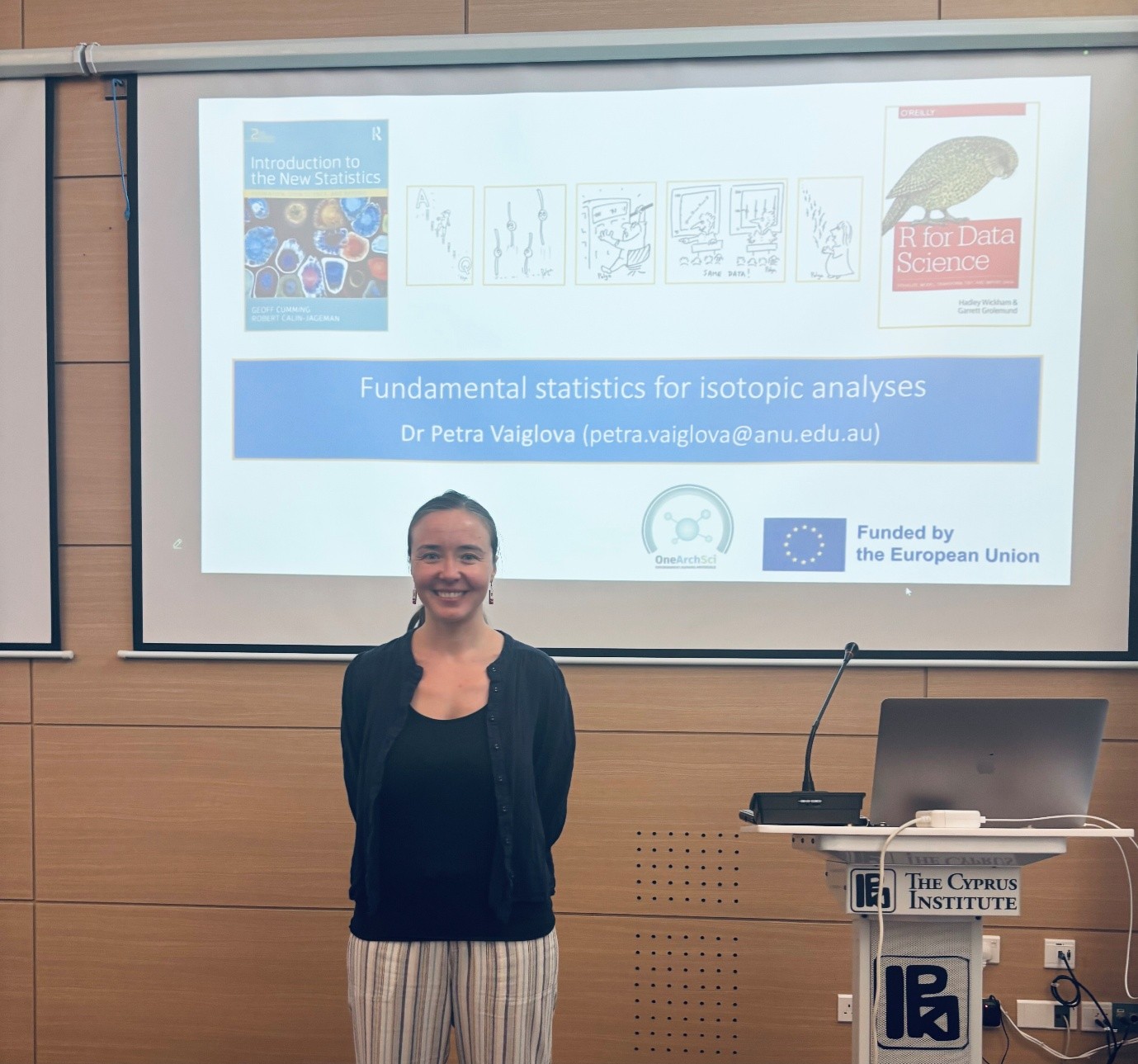
Fundamental Statistics for Isotope Analyses
Tuesday, 2 September 2025
Speaker: Dr Petra Vaiglova, Lecturer in Archaeological Science, School of Archaeology and Anthropology, The Australian National University
This successful hybrid workshop, led by Dr. Petra Vaiglova introduced participants to essential statistical concepts for isotope analysis. The morning sessions covered descriptive and inferential statistics, effective data visualisation, Open Science, and the value of meta-analyses. The afternoon focused on estimation approaches—effect sizes, confidence intervals, and meta-analyses—applied through jamovi (no coding required) and R (coding-based).
At the end of the workshop participants had a deeper appreciation of the role that non-statistical specialists play in designing research projects, collecting samples, and analysing big and small isotopic datasets. They were equipped with skills – as well as resources on where to further practice the skills of evaluating published research and analysing datasets in ways that are aligned with the principles of science-wide calls for statistical reform.
The recorded workshop is now available here: Training Workshop: Fundamental Statistics for Isotope Analyses
Learn more about Dr Petra Vaiglova by visiting her profile here.
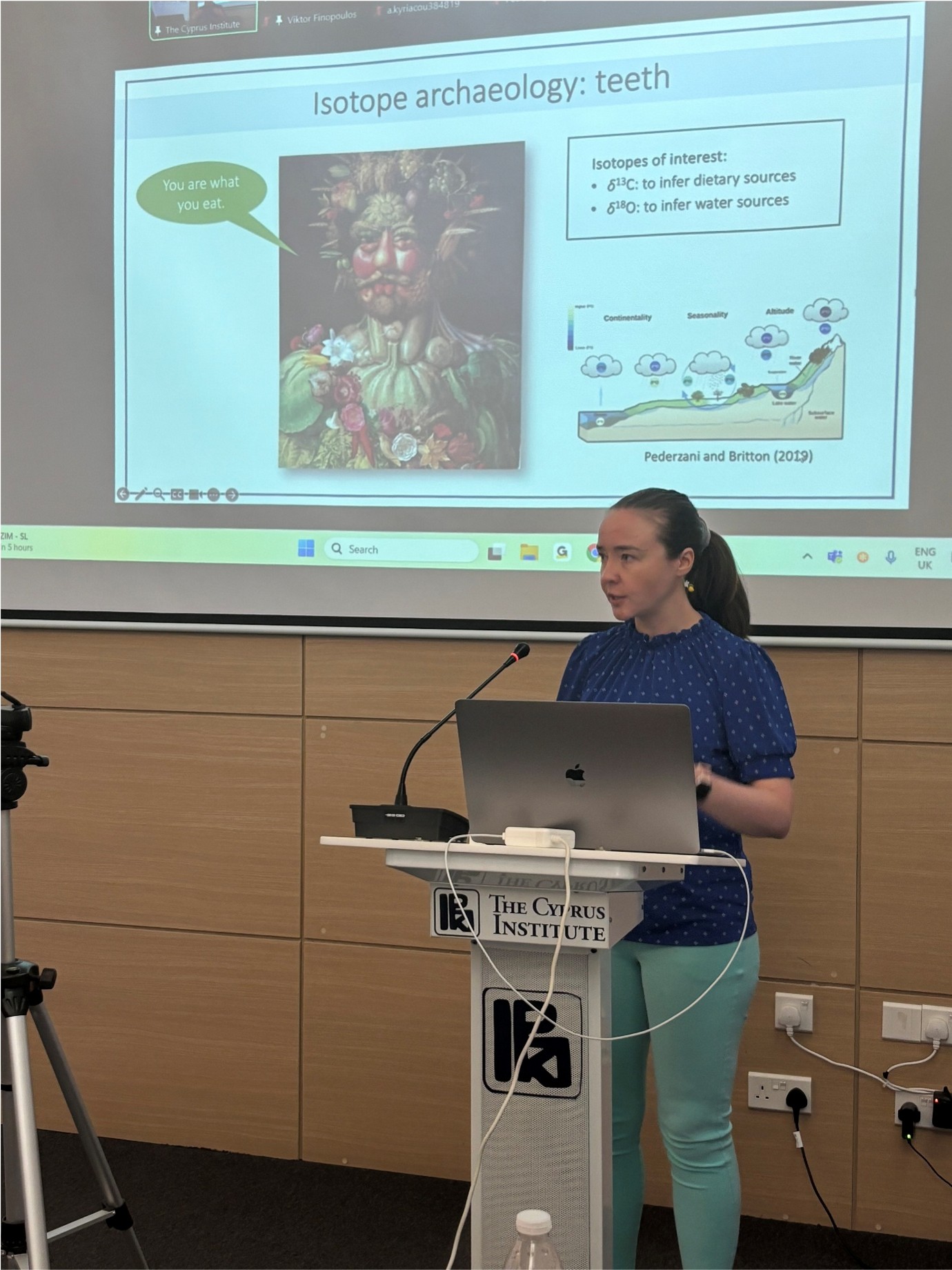
Using Developmental Growth Patterns in Teeth to Improve the Resolution of Isotopic Analyses: a Case Study of Wild Boar Feasting in Early Neolithic Asiab, Western Iran
Tuesday, 2 September 2025
Wednesday, 3 September 2025
Speaker: Dr Petra Vaiglova, Lecturer in Archaeological Science, School of Archaeology and Anthropology, The Australian National University.
In this talk, Dr. Vaiglova shared the findings of a study in which she used this approach to analyse tooth enamel phosphate from teeth of wild boars recovered from a feasting deposit at Asiab, an Early Neolithic site in the Zagros Mountains. The results of this study show that although the environment surrounding the site was hospitable to wild boars, the animals used for feasting activities are unlikely to have originated from nearby locations. Instead, they suggest that the animals were transported to Asiab for the purposes of being used in the feast by communities dispersed across the landscape.
The talk finished with a discussion of how we can use mathematical simulations of tooth growth to better understand the resolution of results obtained using hand-drilling methods and how we can use the in situ method and the ‘hand-drilling’ method in tandem in future research.
The recorded workshop is now available here: Using Developmental Growth Patterns in Teeth to Improve the Resolution of Isotopic Analyses
Learn more about Dr Petra Vaiglova by visiting her profile here.
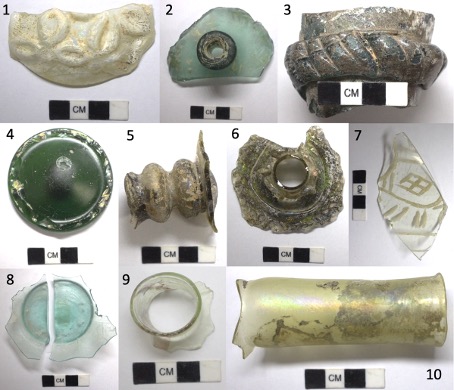
Scientific analysis of Islamic plant-ash glass in the eastern Silk Roads.
Thursday, 10 April 2025
Speaker: Dr Qin-Qin Lü, Research Fellow, McDonald Institute for Archaeological Research & St Edmund’s College, University of Cambridge
The seminar explored Islamic plant-ash glass and its trade along the Silk Roads, shedding light on cross-cultural connections in medieval Eurasia. It introduced scientific methods, including trace element and isotopic analyses, to study glass provenance and technology. Preliminary results revealed diverse raw materials, decentralized production, and frequent inter- and intra-regional trade across Iran, Central Asia, and western China.
Learn more about Dr Qin-Qin Lu by visiting his profile here.
Building Systematic, Foundational, and Practical Expertise in Stable and Radiogenic Isotope Analysis Led by World-Class Experts